WALANT: Wide-Awake Hand Surgery
Reviewed by Dr. Vipul Patel
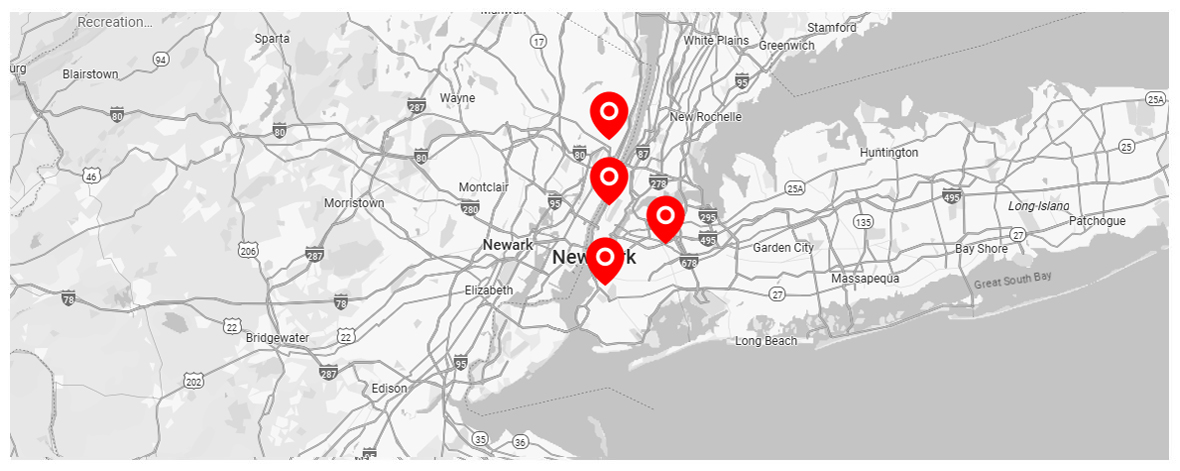
Wide-Awake Hand Surgery in Manhattan, Brooklyn, Queens and Englewood, NJ
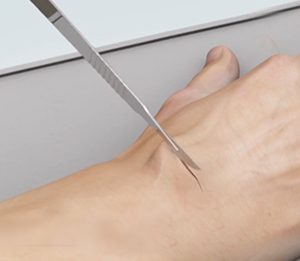
For many people, the idea of general anesthesia is one of the biggest worries about hand surgery. Wide-awake local anesthesia no tourniquet, known as WALANT, is an approach that allows certain hand procedures to be done while you are awake and comfortable, using only local numbing medicine.
We evaluate patients for hand surgery at our offices on the Upper West Side of Manhattan, in Park Slope, Brooklyn, in Elmhurst, Queens, and in Englewood, NJ, and can discuss which anesthesia options may suit your procedure.
What Is WALANT?
In WALANT, the surgeon injects local anesthetic combined with a small amount of epinephrine, a medicine that temporarily narrows blood vessels. This numbs the area and reduces bleeding, so a tourniquet on the arm is usually not needed. You stay awake without sedation, and you may be able to move your fingers during surgery when that helps the surgeon check the result.
What Are the Potential Benefits of WALANT?
- No general anesthesia: avoiding sedation and its after-effects
- Less preparation: fasting and some preoperative tests may not be required
- No tourniquet discomfort: because epinephrine limits bleeding
- Active movement during surgery: useful in tendon procedures
- Quicker discharge: you may go home soon after the procedure
Benefits vary depending on the patient and the procedure.
Which Procedures May Use WALANT?
WALANT has been used for procedures such as carpal tunnel release, trigger finger release, tendon repair and transfers, some fracture fixation, and removal of small masses. Suitability depends on the procedure, your health and your comfort level.
Not every patient or procedure is a good fit for wide-awake surgery. Dr. Patel can review your options and help you choose the anesthesia approach that is right for you.
What Does the Experience Involve?
After the numbing injection, there is a waiting period while the medicine takes full effect. During surgery, you may feel pressure or movement but should not feel sharp pain. A drape keeps the surgical field out of view, and you can talk with the team throughout.
Recovery
Numbness may last several hours, which can help with early comfort. Recovery afterward depends on the procedure itself rather than the anesthesia.
What Are the Risks?
- Discomfort from the numbing injection
- Incomplete numbness requiring additional anesthetic
- Anxiety during the procedure
- Rare reactions to local anesthetic or epinephrine
- Standard surgical risks, such as infection and stiffness
Your surgeon can discuss these risks based on your individual health.
Why Choose Dr. Patel for Hand Surgery?
Dr. Vipul Patel, MD, FAAOS, is a board-certified orthopedic surgeon and fellowship-trained hand surgeon who takes a shared decision-making approach, including on choices about anesthesia.
WALANT FAQs
Will I feel pain during wide-awake surgery?
The numbing injection may sting briefly, but you should not feel sharp pain during the procedure. You may notice pressure or movement, and you can tell the team if anything feels uncomfortable.
Do I need someone to drive me home?
Because no sedation is used, some patients can leave on their own. Your hand may be bandaged, so plan for how you will get home and follow your surgeon's instructions.
Can I choose sedation instead?
Yes, depending on the procedure and setting. Your surgeon can explain the anesthesia options available for your surgery so you can decide what feels right.
Request an Appointment
If you are considering hand surgery and want to learn about anesthesia options, request an appointment at our Manhattan, Brooklyn, Queens or Englewood, NJ office to discuss your treatment options.