Regenerative Medicine
At New York Hand & Orthopedic Surgery, we believe that healing is first and foremost a biological process. Surgery repairs structure, but the body’s ability to recover depends on the biology of healing—cells, blood supply, growth factors, and tissue response. Our approach is to use the best available tools to optimize your biology so that recovery is stronger, faster, and more complete.
That’s why we offer carefully selected regenerative medicine options—including stem cell–based and biologic treatments—to help augment traditional orthopedic care. These therapies are not a replacement for surgery when it is needed, but they may provide an important adjunct to enhance repair, reduce inflammation, and promote natural healing.
Growing evidence in the orthopedic literature supports this approach. Studies have shown that biologic therapies can improve outcomes in conditions such as tendon injuries, cartilage damage, and arthritis by stimulating repair pathways and supporting the body’s natural healing response. While research is ongoing, regenerative medicine represents an exciting and promising tool to help patients regain function and return to the activities they love.
Our commitment is to offer treatments that are safe, ethical, and science-based, tailored to each patient’s needs, with the goal of giving you the best chance at long-lasting recovery.
We integrate orthobiologics–based therapies, platelet-rich plasma (PRP), and other biologic adjuncts—into treatment when supported by evidence, with the aim of augmenting structural repair and enhancing functional recovery.
Emerging literature supports this approach:
- Cartilage & Osteoarthritis: Intra-articular MSC injections have shown improvements in pain and function in knee OA in multiple meta-analyses【1】.
- Tendon Healing: PRP and stem cell augmentation have been associated with improved tendon healing and decreased retear rates in some rotator cuff and Achilles studies【2】.
- Bone Healing & Nonunions: Biologic adjuvants, including stem cell concentrates, have demonstrated improved union rates in recalcitrant fractures【3】.
- Hand & Upper Extremity: Early studies suggest biologics may enhance healing in tendon, nerve, and cartilage injuries, though further high-quality trials are needed【4】.
We recognize that research is ongoing, and not all biologic therapies have the same level of evidence. Our commitment is to offer treatments that are scientifically grounded, ethically applied, and tailored to each patient’s needs. By combining surgical precision with biologic innovation, we aim to maximize healing potential and improve patient outcomes.
References
- Bannuru RR, et al. Intra-articular platelet-rich plasma injections for the treatment of osteoarthritis: a systematic review and meta-analysis. Osteoarthritis Cartilage. 2020. PubMed
- Hurley ET, et al. Stem cells in rotator cuff tendon healing: a systematic review of basic science and clinical studies. Am J Sports Med. 2018. PubMed
- Hernigou P, et al. Percutaneous autologous bone-marrow grafting for nonunions. Int Orthop. 2014. PubMed
- Raghavan R, et al. Orthobiologics in hand and upper extremity surgery: a review. J Hand Surg Am. 2021. PubMed
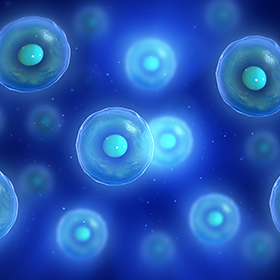
Stem Cell Therapy
Stem cell therapy is a form of regenerative medicine that utilizes the body’s natural healing mechanism to treat various conditions. Stem cells are being used in regenerative medicine to renew and repair diseased or damaged tissues, and have shown promising results in treatments of various orthopedic, cardiovascular, neuromuscular and autoimmune conditions.
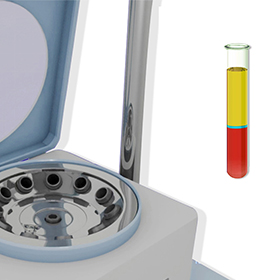
Platelet-Rich Plasma (PRP) Injection
Our blood consists of a liquid component known as plasma. It also consists of three main solid components which include the red blood cells (RBCs), white blood cells (WBCs), and platelets. Platelets play an important role in forming blood clots. They also consist of special proteins, known as growth factors, which help with our body’s healing process.
Frequently Asked Questions
What is Stem Cell Therapy?
Stem Cell Therapy is a form of regenerative medicine that utilizes the body’s natural healing mechanism to treat various conditions. Stem cells are being used in regenerative medicine to renew and repair diseased or damaged tissues, and have shown promising results in treatments of various orthopedic, cardiovascular, neuromuscular and autoimmune conditions. Read More
What are the different types of Stem Cells?
There are two major types of Stem Cells: embryonic Stem Cells and adult Stem Cells. Embryonic Stem Cells (ESCs) are Stem Cells derived from human embryos. They are pluripotent, which means they have the ability to develop into almost any of the various cell types of the body.
What are the advantages of Stem Cell Therapy?
Stem Cell Therapy is a relatively simple procedure that avoids the complications associated with invasive surgical procedures. As Stem Cell Therapy uses the cells derived from your own body, it reduces the chances of immune rejection.
Who is a good candidate for a Stem Cell procedure?
You may be a good candidate for Stem Cell Therapy if you have been suffering from joint pain and want to improve your quality of life while avoiding complications related to invasive surgical procedures.
Acupuncture
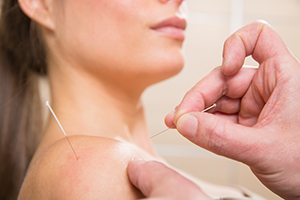
Acupuncture is a medical technique that involves insertion of very thin metal needles into the skin at specific points on the body to stimulate healing and promote relaxation with the aim of maintaining and restoring health. It is mainly used in pain management as well as for treating a variety of other medical conditions.