Spine
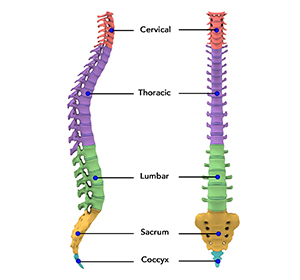
Anatomy of the Spine
The spine also called the backbone, is made up of vertebral bones with cushioning intervertebral discs between them. The spine is designed to give us stability and smooth movement, as well as providing a corridor of protection for the delicate spinal cord.
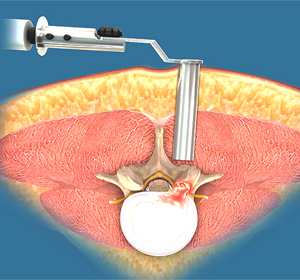
Minimally invasive spine surgery (MISS) is the latest technology available to perform spinal surgeries through small, less than one-inch-long incisions.
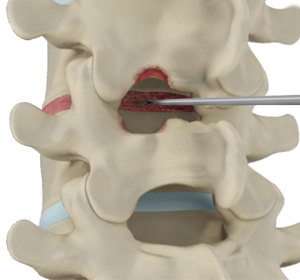
Spinal decompression is a treatment to relieve pressure on one or many “pinched nerves” in the spinal column.
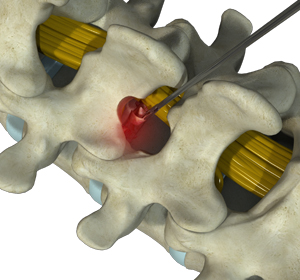
The spine is made up of small bony segments called vertebrae. These vertebrae are categorized into cervical or neck vertebrae, thoracic or upper back vertebrae, lumbar or lower back vertebrae, and the sacrum within the pelvis.
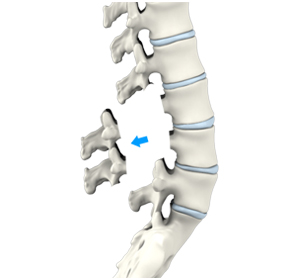
Lumbar laminectomy is a spinal surgery to relieve excess pressure on the spinal cord or nerves within the spinal canal in the lumbar or lower back region.
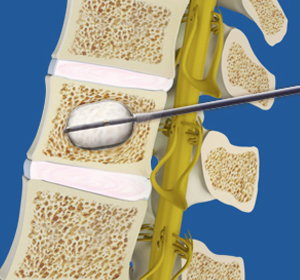
Balloon kyphoplasty is a spine surgery that relieves back pain caused by a vertebral compression fracture. The aim of balloon kyphoplasty is to relieve pain, stabilize the fracture and restore the vertebral body height.
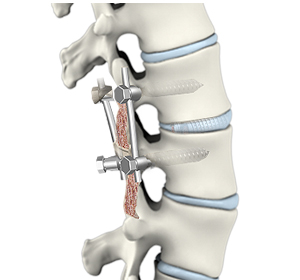
Spinal fusion is the surgical technique of combining two or more vertebrae. A fusion of the vertebrae involves the insertion of secondary bone tissue obtained either from an autograft (tissues from your own body) or allograft (tissues from another person) to enhance the bone healing process.
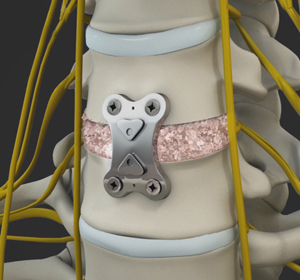
Anterior cervical discectomy with fusion is an operative procedure to relieve compression or pressure on nerve roots and/or the spinal cord due to a herniated disc or bone spur in the neck.
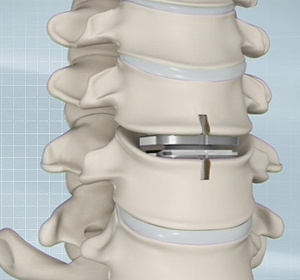
The cervical spine is located in the neck region and consists of seven bones arranged one on top of the other. /p>
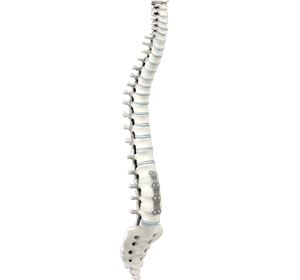
Anterior lumbar interbody fusion (ALIF) is a surgery performed to correct spinal problems in the lower back. The surgery can be implemented either as an open surgery or minimally invasive technique.
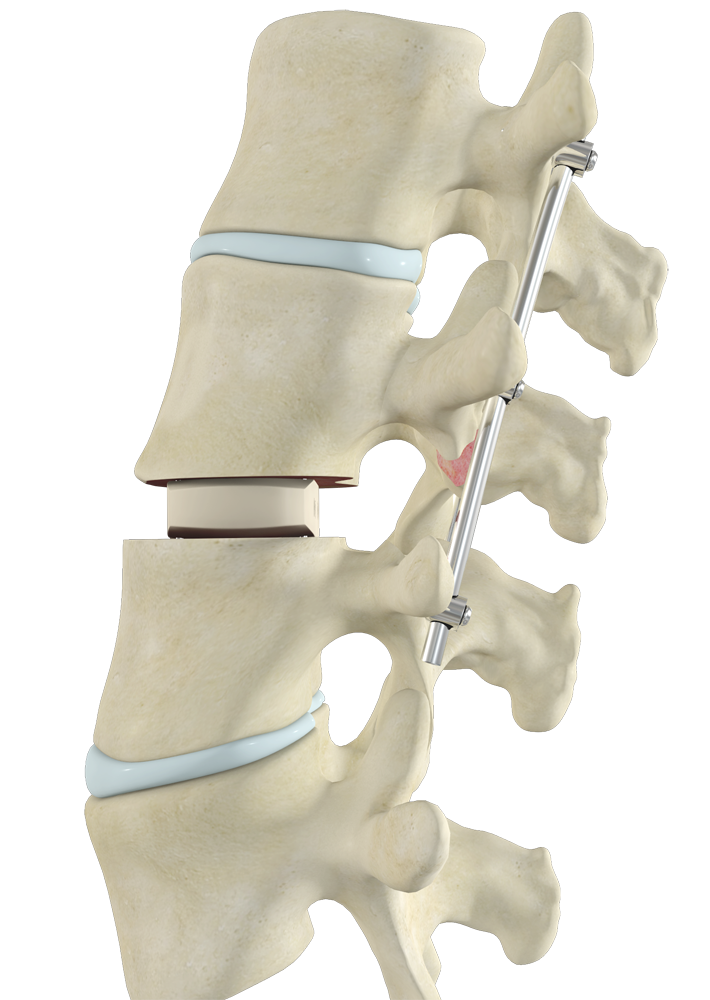
Transforaminal lumbar interbody fusion (TLIF) is a type of spinal fusion procedure in which bone graft is placed between the affected vertebrae in the lower back (lumbar) region through an incision on the patient’s back.
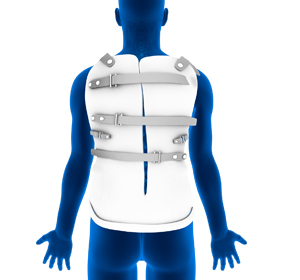
Scoliosis is the abnormal curvature of the spine giving the spine an “S” or “C” shape. Scoliosis can occur at any age and is more common in girls than boys.
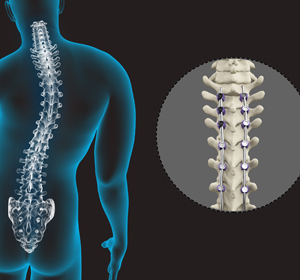
The spine or backbone provides stability to the upper part of the body. It helps to hold your body upright. It consists of several irregularly-shaped bones called vertebrae appearing in a straight line.
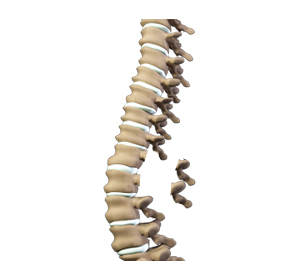
Laminectomy refers to the removal or cutting of the lamina (roof) of the vertebral bones to provide space for the nerves to exit from the spine.
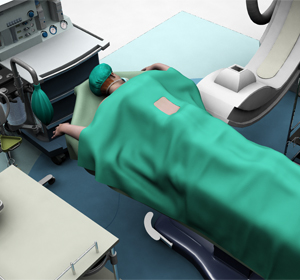
Spine surgery is a surgical procedure to treat conditions of the spine such as structural abnormalities, infections, trauma, tumors, malformations, and degenerative spine conditions like stenosis and herniated discs.
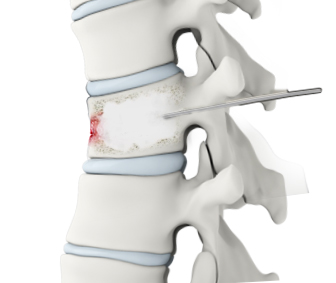
Vertebroplasty is a minimally invasive procedure performed to reduce or eliminate pain caused by a vertebral compression fracture. It stabilizes the fracture and prevents further collapse of the vertebra, averting deformity.
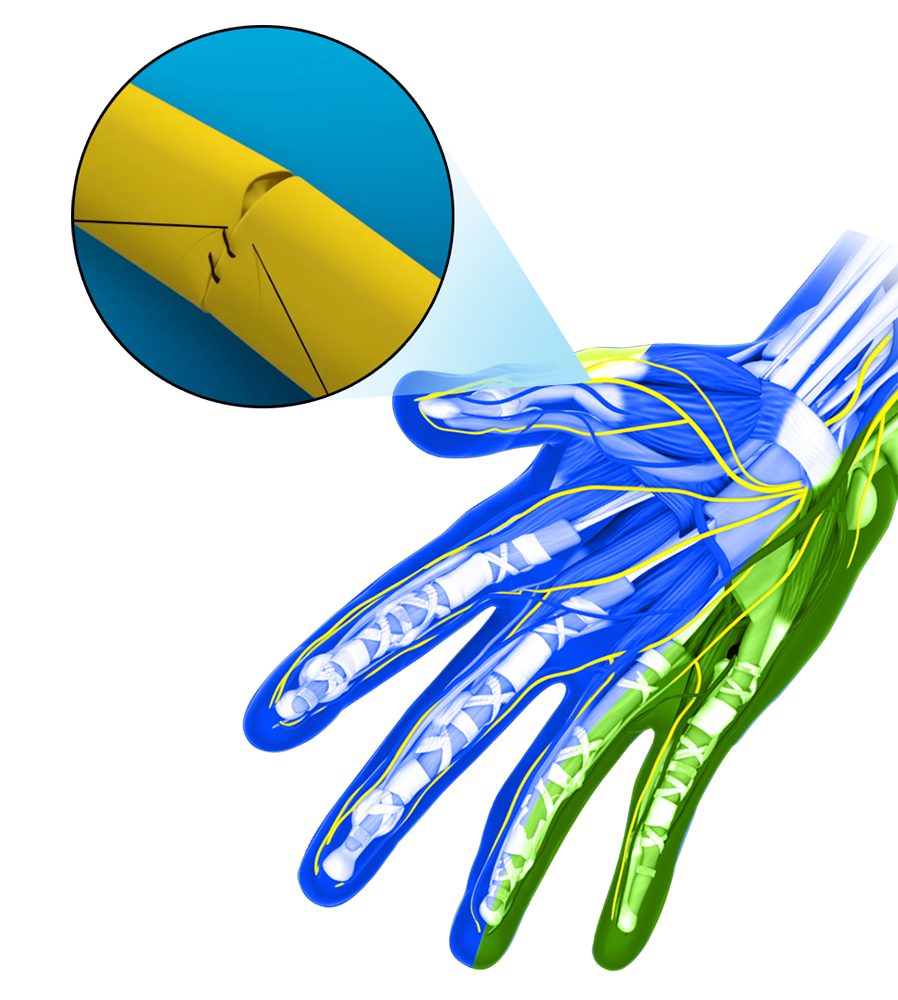
The peripheral nerves are the nerve fibers that compose the area from head to toe, connecting the brain and spinal cord with the rest of the body parts.

In most cases, back pain can be resolved without surgery. The conservative treatment involves the use of pain medications and other methods to reduce inflammation and restore normal function.
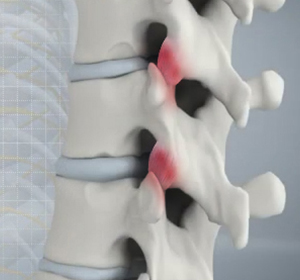
Spine arthritis is a condition characterized by the inflammation, degeneration, or wearing out of cartilage in the joints of the spine.
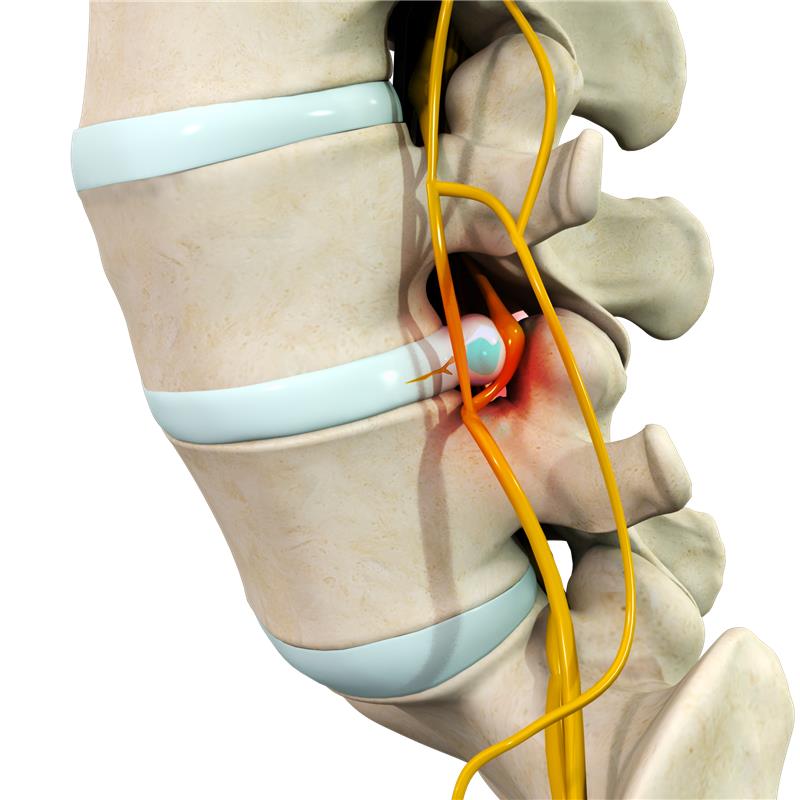
The spine is made up of a column of small bones called vertebrae that surround and protect the spinal cord and nerves that branch out from the spinal cord.
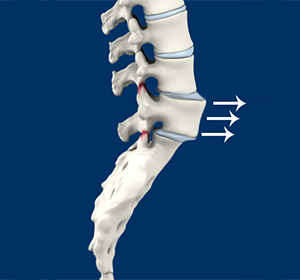
Spinal instability refers to the condition of failure of the spinal column to maintain its normal structure. Normally, the spine functions to protect and provide support to the body and its internal organs.
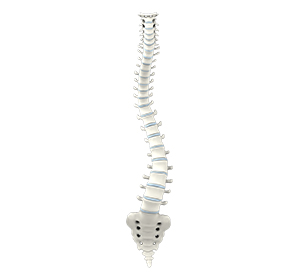
Scoliosis is a condition characterized by the abnormal curvature of the spine that causes a deviation to one side.
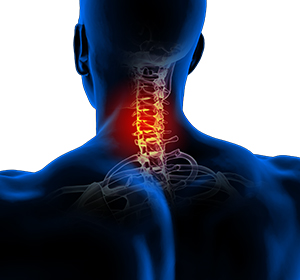
Common neck pain may occur from muscle strain or tension from everyday activities including poor posture, prolonged use of a computer and sleeping in an uncomfortable position.
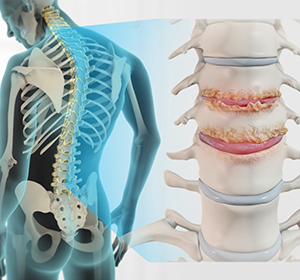
Spinal stenosis is a condition caused by the vertebral column constricting and exerting pressure on the spinal cord or neural foramen (a bony tunnel through which a nerve exits the spinal cord).
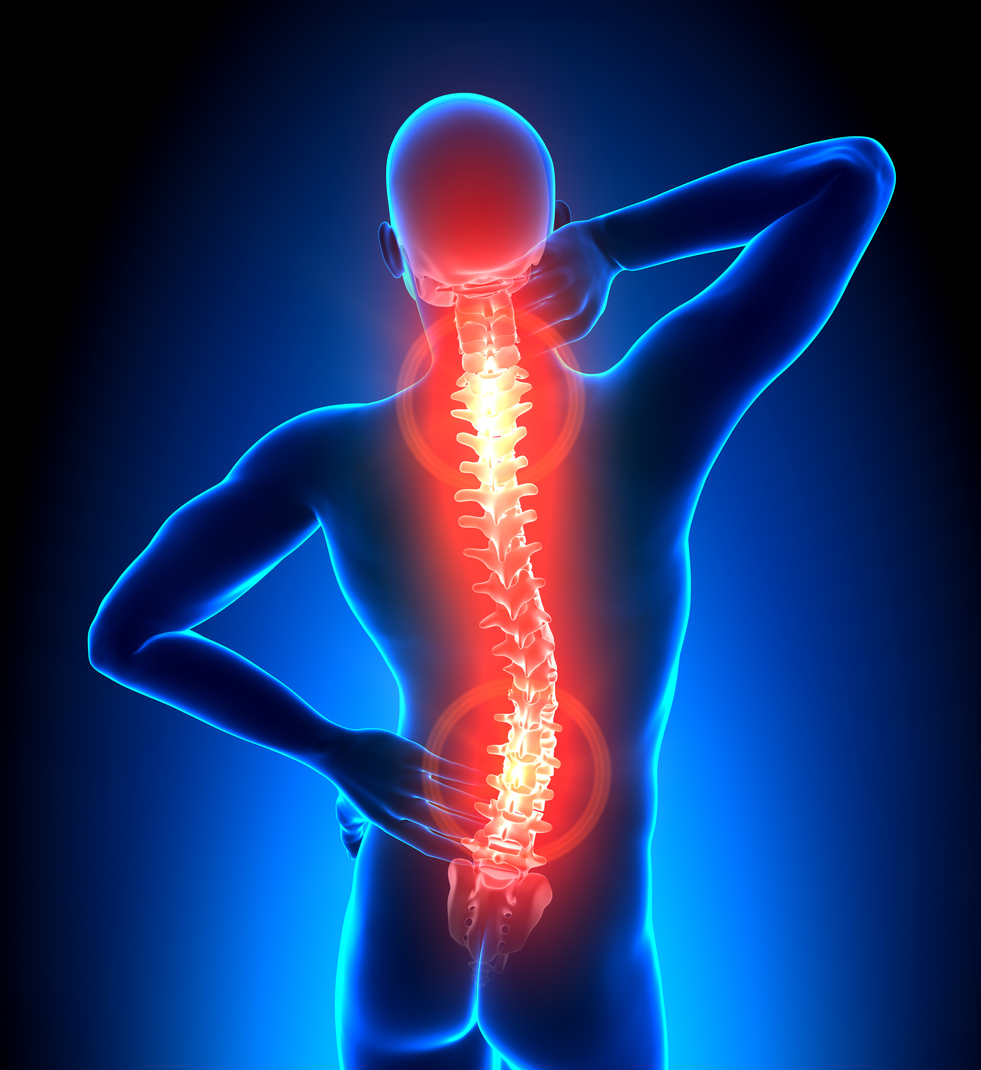
Neck and back injuries usually result from damage to the surrounding structures such as the muscles, bones, or ligaments of the neck and back.
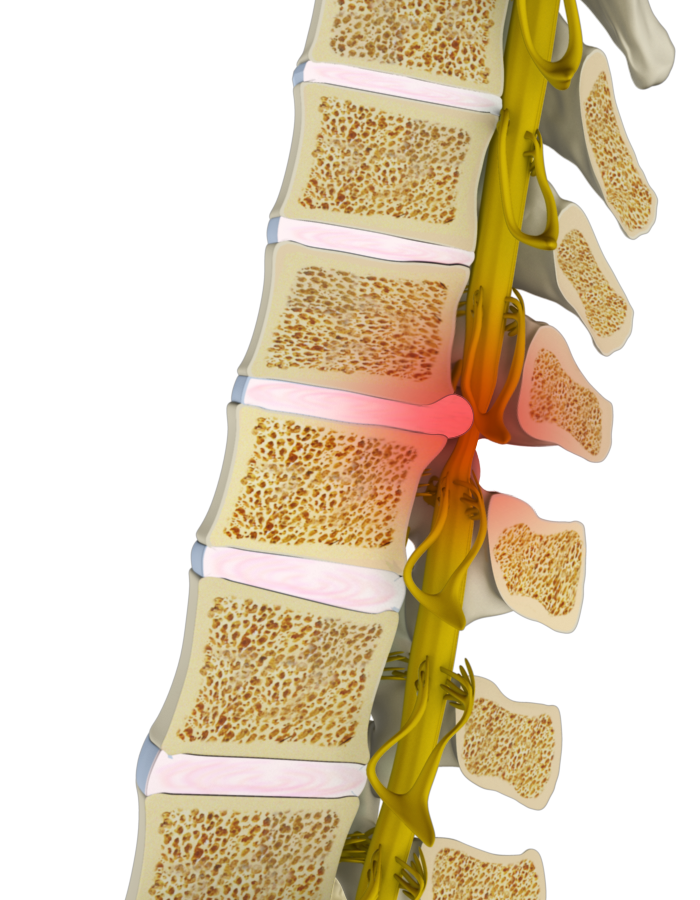
Spinal cord compression is a medical condition characterized by compression or pressure applied to the spinal cord leading to potential impairment of its normal function.
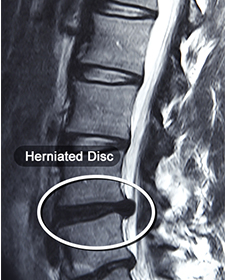
A herniated disc is a condition in which the outer fibers (annulus) of the intervertebral disc are damaged, causing the soft inner material of the nucleus pulposus to rupture out of its space.
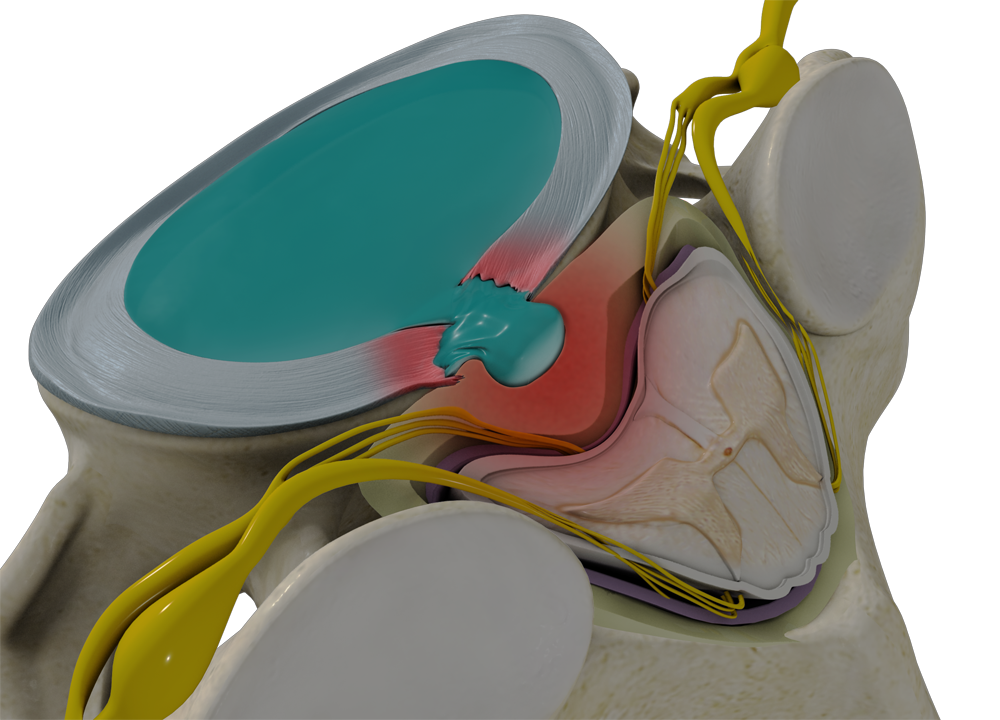
Cervical disc herniation can arise due to aberrations of the intervertebral disc such as bulging, rupture, and slipped or extruded disc.