Shoulder
Anatomy of the Shoulder
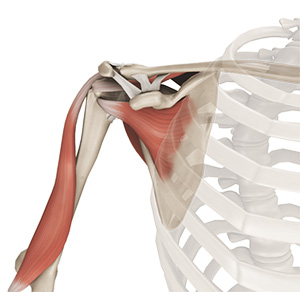
The shoulder is the most flexible joint in the body that enables a wide range of movements including forward flexion, abduction, adduction, external rotation, internal rotation, and 360-degree circumduction.
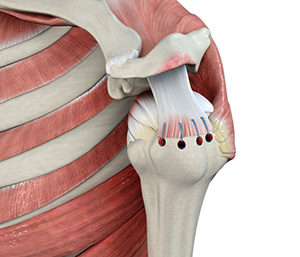
The rotator cuff is a group of 4 muscles in the shoulder joint including the supraspinatus, infraspinatus, teres minor, and subscapularis.
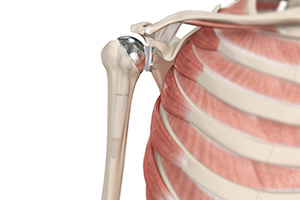
Total shoulder replacement surgery is performed to relieve symptoms of severe shoulder pain and disability due to arthritis.
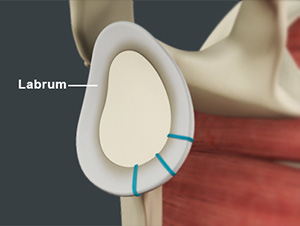
The shoulder joint is a ball and socket joint. A ball at the top of the upper arm bone (the humerus) fits neatly into a socket, called the glenoid, which is part of the shoulder blade (scapula).
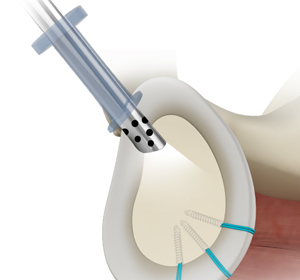
Shoulder reconstruction surgery is an operative procedure in which stretched or torn soft-tissue structures that surround the shoulder joint such as the capsule, ligaments, and cartilage, are repaired to secure the shoulder joint in place.
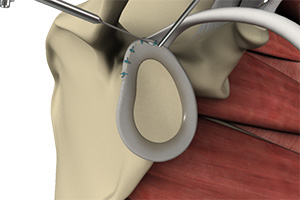
A SLAP repair is an arthroscopic shoulder procedure to treat a specific type of injury to the labrum called a SLAP tear.
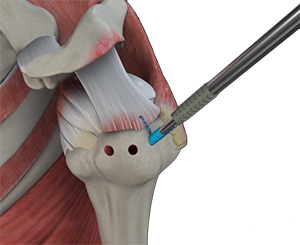
When conservative treatment options such as medications, rest and ice application fail to relieve shoulder instability, your surgeon may recommend shoulder stabilization surgery.

Shoulder surgery is a surgical procedure for the treatment of a shoulder injury or shoulder condition. The procedure involves repairing a diseased, damaged, or degenerated shoulder joint in order to eliminate pain and restore normal shoulder function.
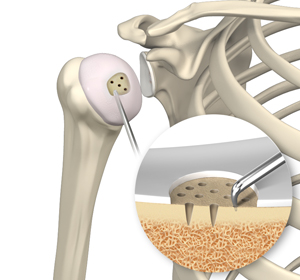
Shoulder preservation surgery is any surgical procedure that is aimed at preserving the structure and function of the shoulder.
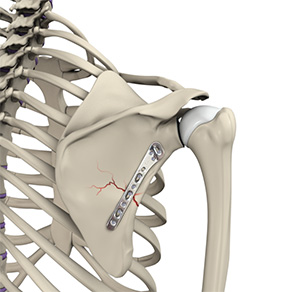
A break in the bone that makes up the shoulder joint is called a shoulder fracture. The clavicle (collarbone) and end of the humerus (upper arm bone) closest to the shoulder are the bones that usually are fractured.
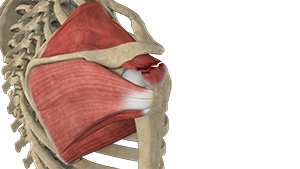
The rotator cuff is a group of tendons in the shoulder joint that provides support and enables a wide range of motion.
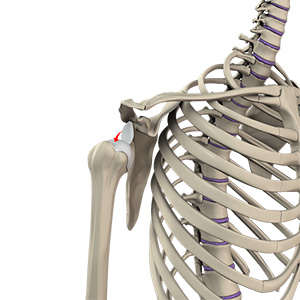
Sports that involve overhead movements and repeated use of the shoulder at your workplace may lead to sliding of the upper arm bone from the glenoid.
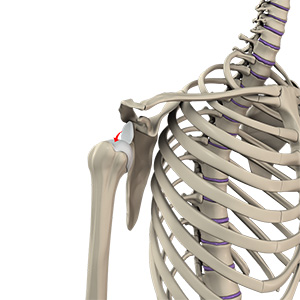
Shoulder instability is a chronic condition that causes frequent dislocation of the shoulder joint.
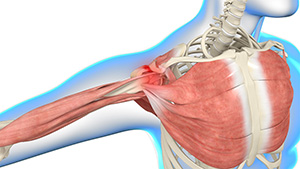
Shoulder impingement is the inflammation of the tendons of the shoulder joint. It is one of the most common causes of pain in the shoulder.
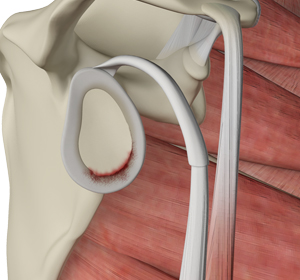
Traumatic injury to the shoulder or overuse of the shoulder (throwing, weightlifting) may cause the labrum to tear. In addition, aging may weaken the labrum leading to injury.

The term SLAP (superior –labrum anterior-posterior) lesion or SLAP tear refers to an injury of the superior labrum of the shoulder.
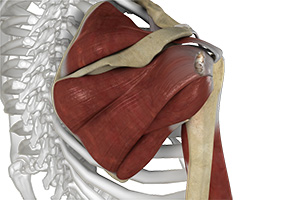
Shoulder ligament injuries are injuries to the tough elastic tissues present around the shoulder that connect bones to each other and stabilize the joint.
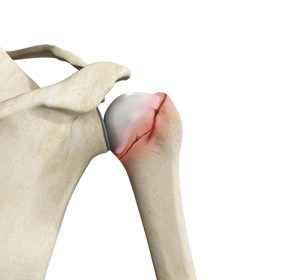
A break in a bone that makes up the shoulder joint is called a shoulder fracture.
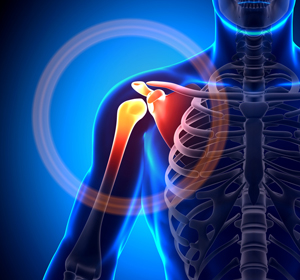
The shoulder is the most flexible joint in the body that enables a wide range of movements. Aging, trauma or sports activities can cause injuries and disorders that can range from minor sprains or strains to severe shoulder trauma.