Hand
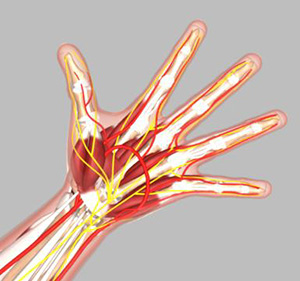
Anatomy of the Hand
The human hand is made up of the wrist, palm, and fingers and consists of 27 bones, 27 joints, 34 muscles, over 100 ligaments and tendons, and many blood vessels and nerves.
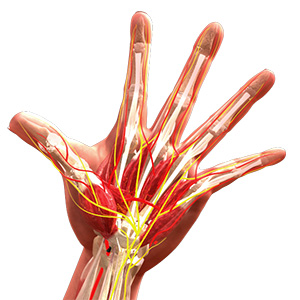
Microvascular surgery or microsurgery is a surgical technique for joining or repairing the damaged blood vessels and nerves during reconstructive surgery of body parts.
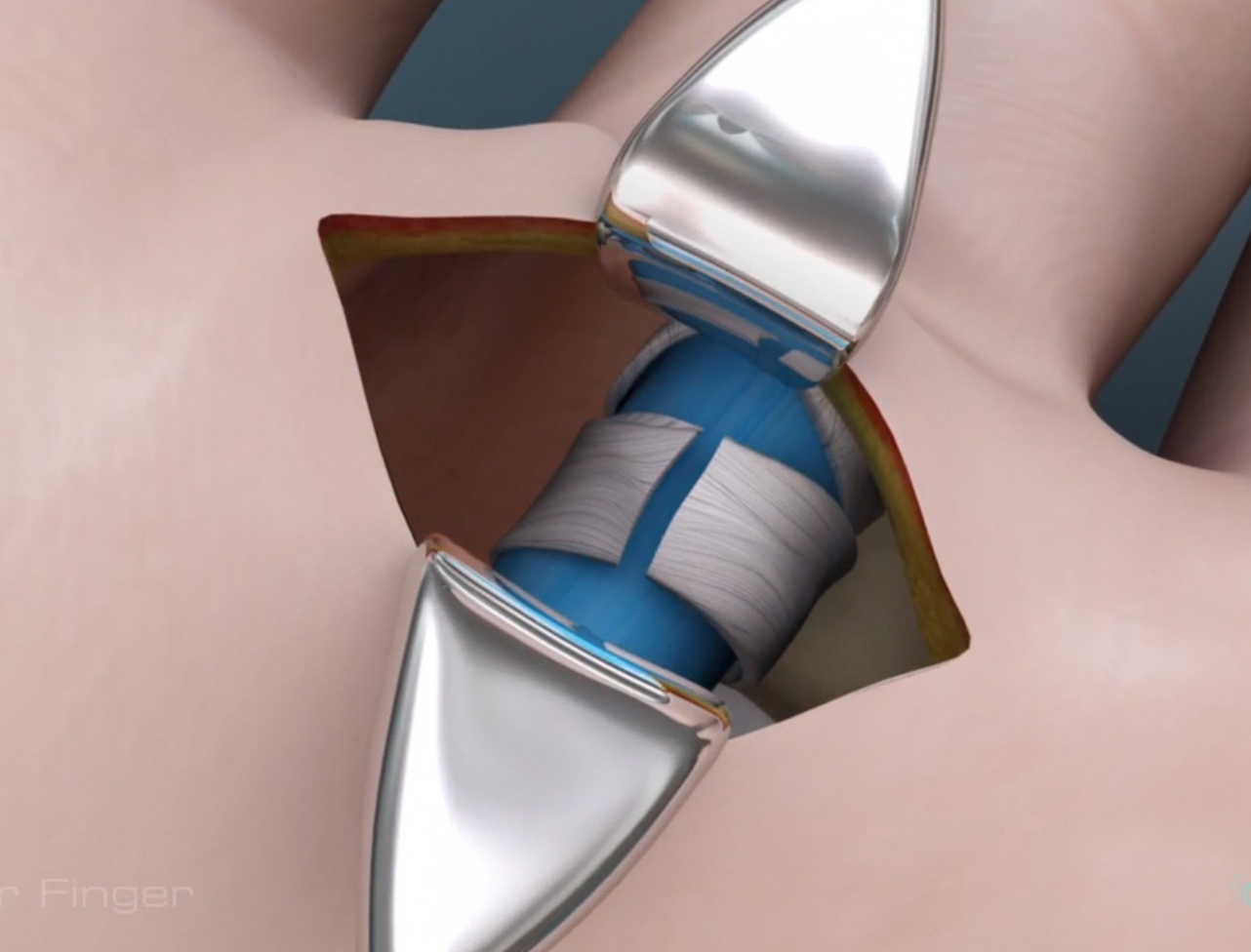
Trigger finger release is a surgical procedure employed in the treatment of a condition called trigger finger.
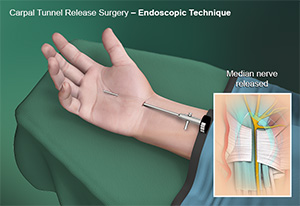
Carpal tunnel syndrome is a common, painful, progressive condition that is caused by the compression of the median nerve at the wrist area.
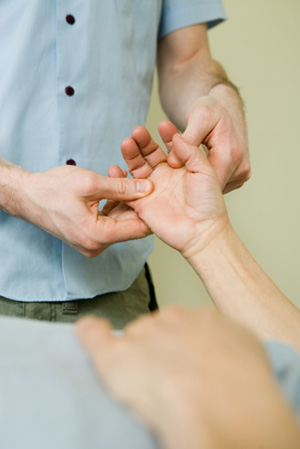
Hand therapy is a rehabilitation technique recommended to improve the strength and restore functional activity of hands in patients with upper extremity injuries.
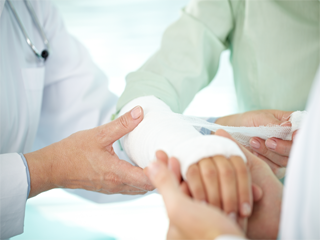
The hand is one of the most flexible and useful parts of our body. Because of overuse in various activities, the hands are more prone to injuries, such as sprains and strains, fractures and dislocations, lacerations and amputations while operating machinery, bracing against a fall and sports-related injuries.
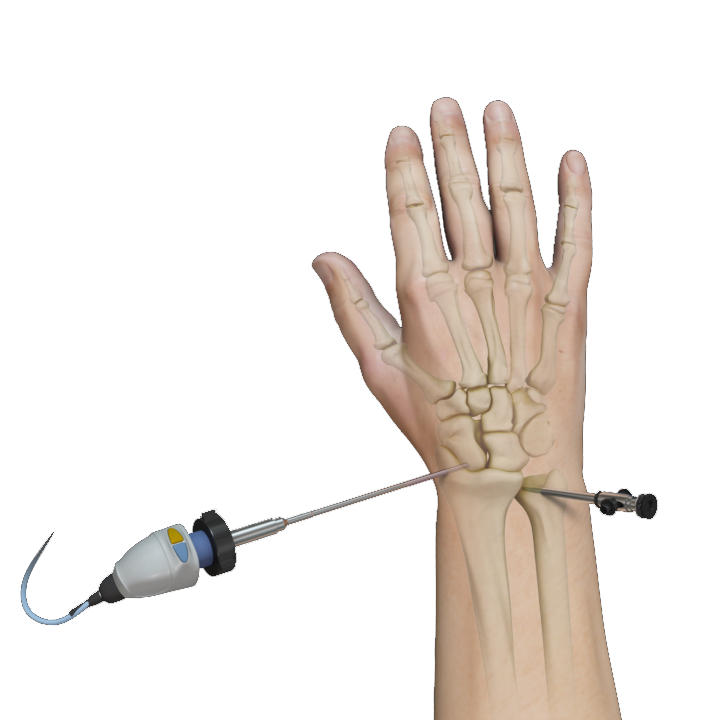
Minimally invasive hand and wrist surgery refers to surgeries performed using smaller incisions or portals, rather than a larger incision as in traditional open surgery, along with thin surgical tools and cameras to treat bone and soft tissue injuries of the hand and wrist.
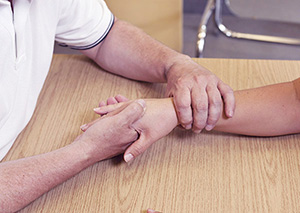
The hand is one of the most flexible and useful parts of our body that enable us to perform many of our daily activities.
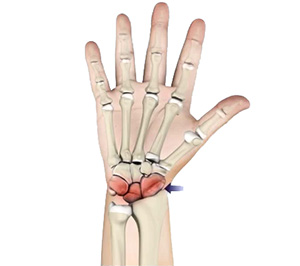
Arthritis is an inflammatory condition of the joints. There are several types of arthritis and the most common type is osteoarthritis or wear-and-tear arthritis.
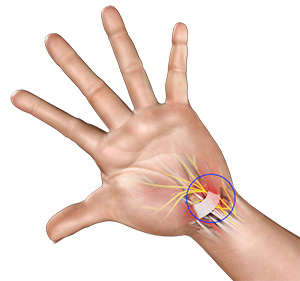
Carpal tunnel syndrome is a common, painful, progressive condition that is caused by compression of the median nerve at the wrist area.
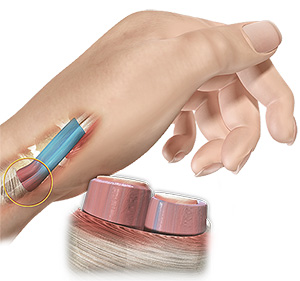
Inflammation and swelling of the tendon sheaths put pressure on the adjacent nerves and leads to pain and numbness in the thumb side of the wrist.
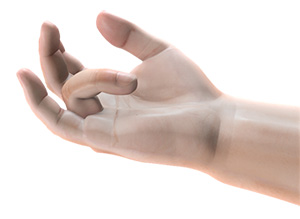
Dupuytren’s contracture is a hand condition where thickening of the underlying fibrous tissues of the palm causes the fingers to bend inward.
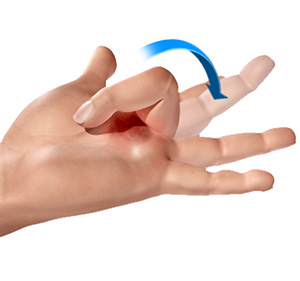
Inflammation in the tenosynovium leads to a condition called trigger finger, also known as stenosing tenosynovitis or flexor tendonitis, where one of the fingers or thumb of the hand is caught in a bent position.
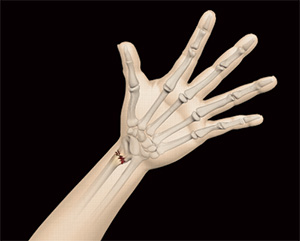
The forearm consists of two bones, the radius, and ulna. The radius is the larger of the two forearm bones.
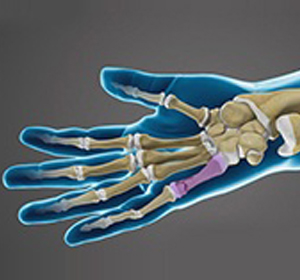
A fracture is a break in the bone, which occurs when force greater than the bearable limit is applied against a bone.

A brachial plexus injury is a condition characterized by injury or damage to the brachial plexus, a network of nerves that emerges from the spinal cord in the neck region.
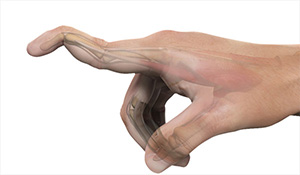
A mallet finger is a condition where the end of the finger is bent and does not straighten.
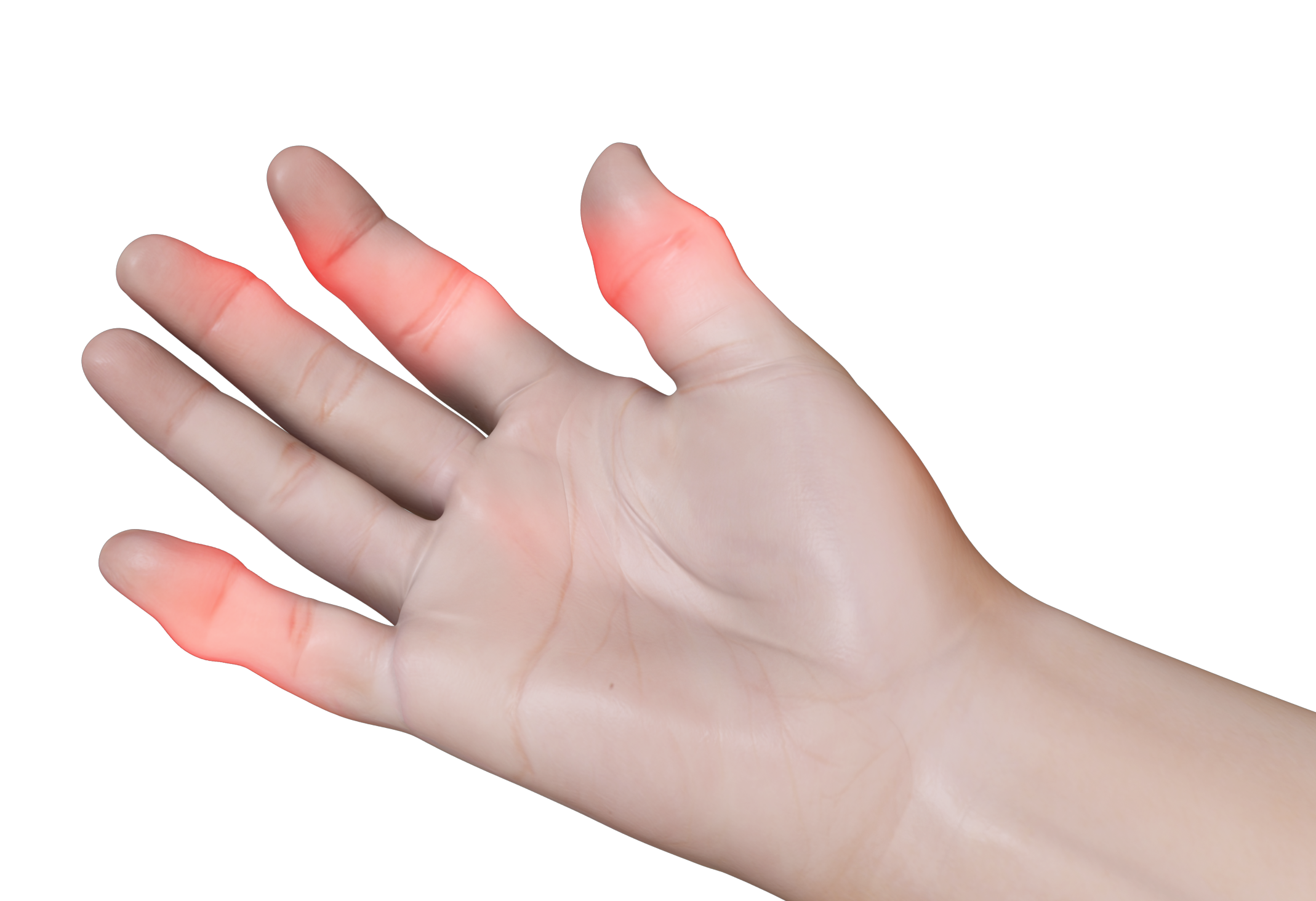
Injuries that involve tearing or stretching of the ligaments of your fingers are termed as sprains. Sprains in the fingers are most often caused from a fall when you extend your arms to reduce the impact of the fall, or from overuse or repetitive activity of the thumb such as with texting.
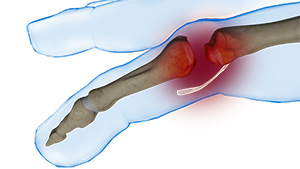
Finger dislocation is a condition in which the bone of your finger has moved away from its normal position.
Hand pain is characterized by distress in the joints and tissues of the hand or fingers. Hand pain can be depicted as pulsating, aching, increased warmth, prickling, irritation and inflexibility.
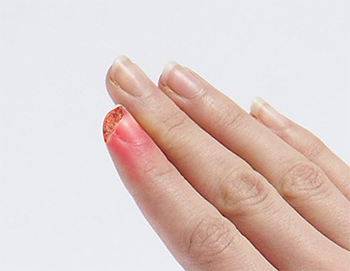
A fingertip injury is a wound or damage caused to the most distal portion of the finger. It can be a crush, a sharp cut, a tear or a combination of these, and can result in damage to the skin, nail or nailbed, tendon, pulp, bone, and nerve endings.
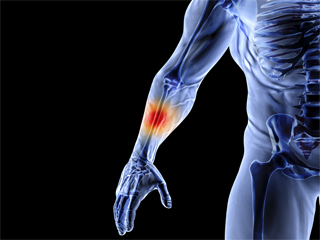
The hand is one of the most flexible and useful parts of our body that assist us in most workplace activities. Hand injuries can range from minor cuts or burns to severe injuries.

Arm pain is a condition characterized by pain, stiffness, or discomfort in any part of the arm. This can affect the hand, wrist, elbow, or shoulder and can have many causes.
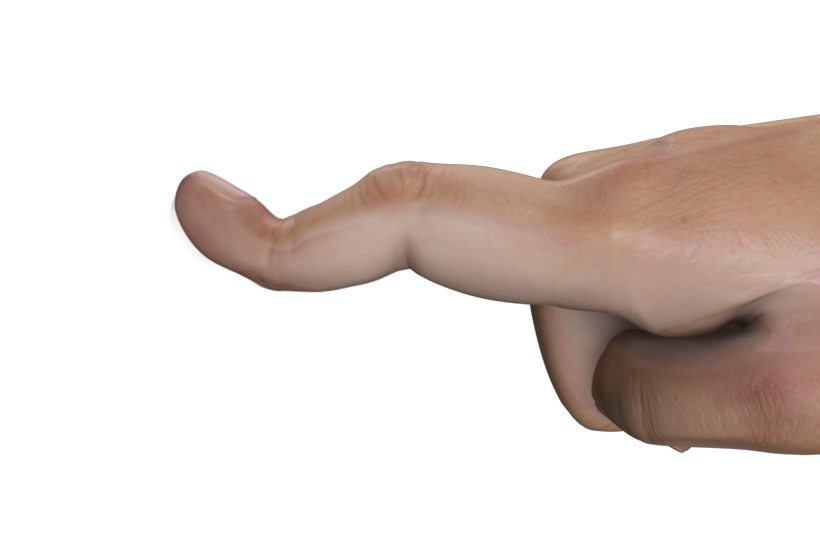
Tendons in your fingers connect the finger bones to finger muscles and help bend and straighten the finger at the joint when the muscles contract.
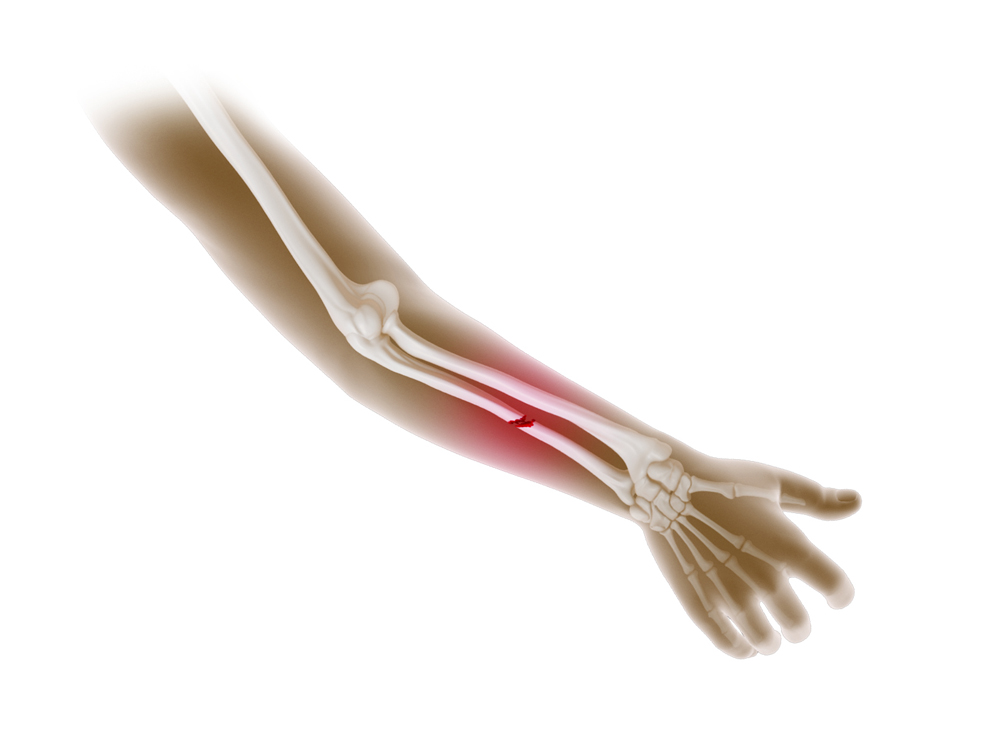
The radius (bone on the thumb side) and ulna (bone on the little-finger side) are the two bones of the forearm. Forearm fractures can occur near the wrist, near the elbow or in the middle of the forearm.
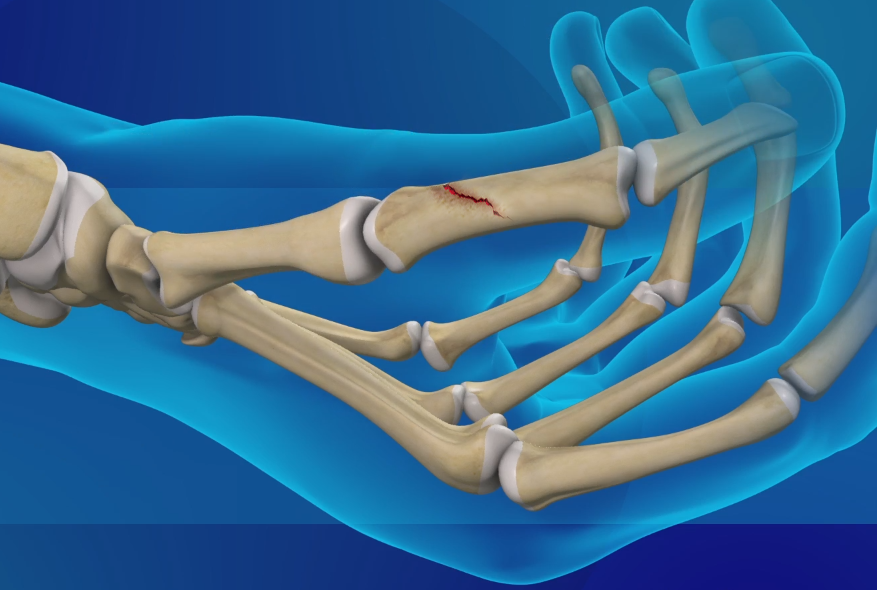
A break or a crack in the bones of the thumb is known as a thumb fracture. Fractures may occur anywhere on the thumb, but a fracture at the base of the thumb, near the wrist, is considered the most serious.
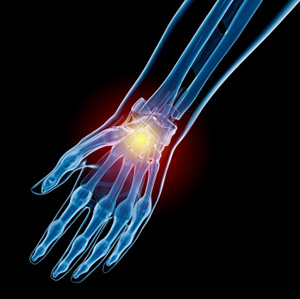
Sports injuries are injuries that most commonly occur during sports and exercises. These injuries may result from accidents, poor training practices, use of improper protective gear, lack of conditioning, and insufficient warm-up and stretching.