Syndactyly and Congenital Hand Differences
Reviewed by Dr. Rebecca Nicholas
Congenital Hand Care in Manhattan, Brooklyn, Queens and Englewood, NJ
Learning that your child was born with a hand difference can bring many questions. Some differences are mild and need no treatment, while others may benefit from surgery to improve function and appearance. A calm, thorough evaluation helps you plan with confidence.
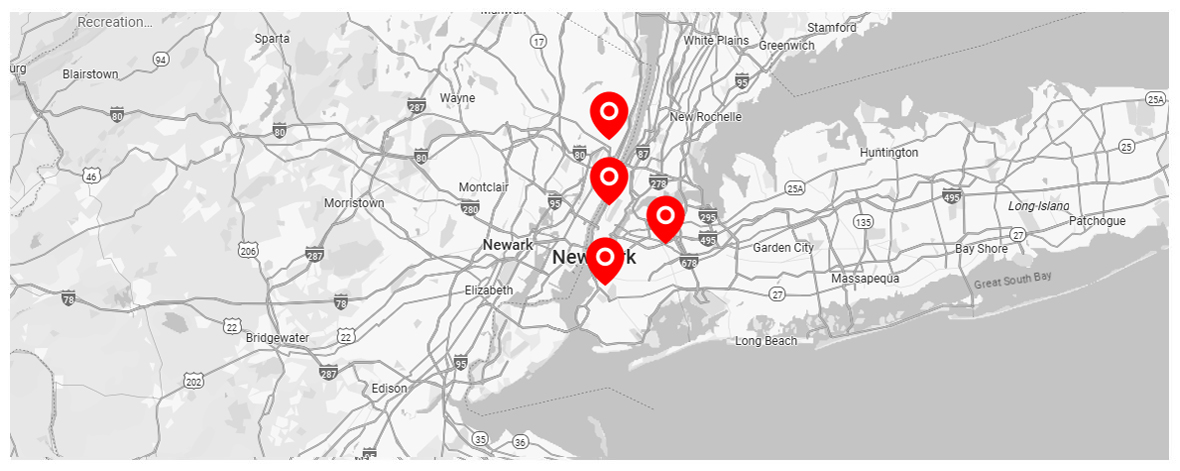
We evaluate children with syndactyly and other congenital hand differences at our offices on the Upper West Side of Manhattan, in Park Slope, Brooklyn, in Elmhurst, Queens, and in Englewood, NJ.
What Is Syndactyly?
Syndactyly means that two or more fingers are joined together. It is one of the most common congenital hand differences. It happens when the fingers do not fully separate during development before birth.
Types of Syndactyly and Other Differences
- Simple syndactyly: fingers joined only by skin and soft tissue
- Complex syndactyly: fingers joined by bone as well
- Complete or incomplete: joined all the way to the fingertip or only partway
- Polydactyly: an extra finger or thumb
- Other differences: such as an underdeveloped thumb or a bent finger
You can read about more conditions on our congenital hand differences page.
Signs Parents May Notice
- Fingers joined by a web of skin
- Fingers that cannot spread apart or move independently
- Shared nails between fingers
- Differences in finger length or position
How Congenital Hand Differences Are Diagnosed
Diagnosis begins with an examination of the hand and, often, X-rays to show the bones. Some hand differences occur alongside other conditions, so your child's pediatrician or a genetic specialist may also be involved.
Nonsurgical Options
Mild differences that do not affect function may simply be monitored as your child grows. Therapy can support hand use and development.
When Surgery May Be Recommended
Surgery may be recommended when joined fingers limit function or could affect growth. Timing is individualized and is often planned in early childhood. Fingers of very different lengths may be separated earlier to prevent growth problems.
Surgical Options That May Be Considered
Syndactyly release separates the fingers using zigzag incisions and creates a new web space. Skin grafts are often needed to cover the sides of the fingers. Polydactyly and other differences have their own procedures tailored to the hand.
Recovery
Children usually wear a cast or bulky dressing for a few weeks. Scars mature over months, and follow-up visits monitor growth and the web space as your child grows.
Why Choose Dr. Nicholas for Congenital Hand Care?
Dr. Rebecca Nicholas, MBBS, FRCS(Plast), MSc, EBHS, trained in pediatric hand surgery at Great Ormond Street Hospital and lists congenital hand differences among her areas of expertise. She also led the Inaugural NYU International Symposium on Pediatric Hand Conditions in 2024.
Syndactyly FAQs
When is the best age for syndactyly surgery?
Timing depends on which fingers are joined and how. Many procedures are planned in early childhood, but your surgeon will recommend timing based on your child's hand and overall health.
Will my child need more than one surgery?
Sometimes. When several fingers are joined, they may be separated in stages. Some children need later procedures if the web space creeps forward as they grow.
Did something during pregnancy cause this?
In most cases, there is no known cause. Some hand differences run in families or occur with other conditions, and your surgeon can discuss whether further evaluation is helpful.
Request an Appointment
If your child has a congenital hand difference, request an appointment at our Manhattan, Brooklyn, Queens or Englewood, NJ office to discuss your child's treatment options.