Skier's Thumb and Gamekeeper's Thumb
Reviewed by Dr. Vipul Patel
Thumb Ligament Injury Treatment in Manhattan, Brooklyn, Queens and Englewood, NJ
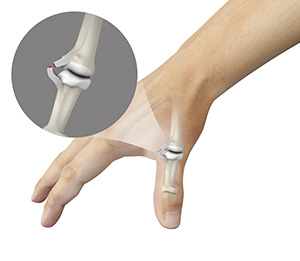
If your thumb was bent backward or sideways in a fall, a ski accident or a ball sport, you may have injured the ulnar collateral ligament (UCL) at the base of the thumb. This can make pinching and gripping painful and weak.
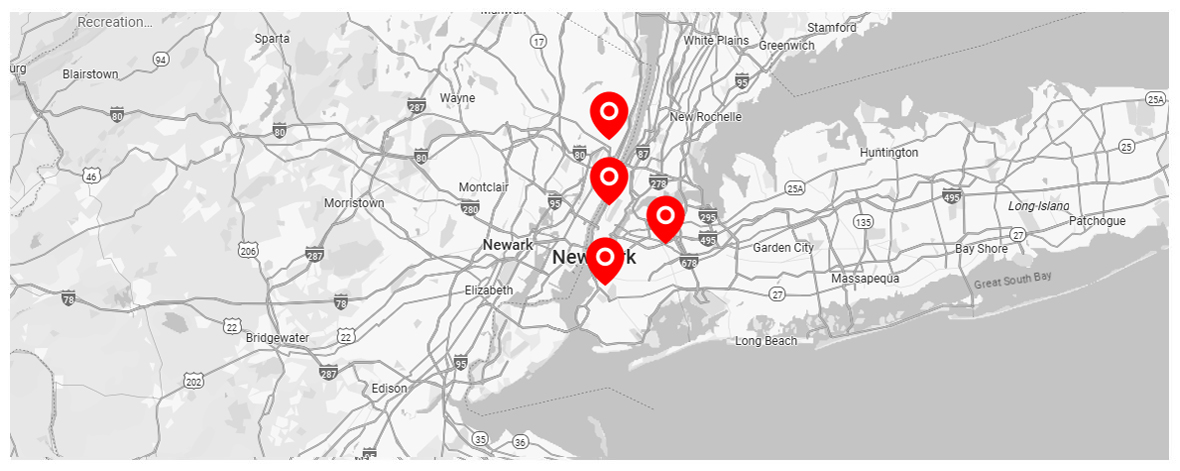
We treat skier's thumb and gamekeeper's thumb at our offices on the Upper West Side of Manhattan, in Park Slope, Brooklyn, in Elmhurst, Queens, and in Englewood, NJ. Prompt evaluation helps identify injuries that need surgery.
What Is Skier's Thumb?
The UCL runs along the inner side of the thumb's metacarpophalangeal (MCP) joint and keeps the thumb stable when you pinch. Skier's thumb is a sudden tear of this ligament, often from falling while holding a ski pole. Gamekeeper's thumb describes a gradual stretching of the same ligament from repeated stress.
Types of Thumb UCL Injuries
- Partial tears: the ligament is stretched or partly torn but the joint remains stable
- Complete tears: the joint opens abnormally when stressed
- Stener lesion: a complete tear in which the ligament end becomes trapped outside a nearby tendon and cannot heal in place
- Avulsion fractures: the ligament pulls off a small piece of bone
Symptoms
- Pain and swelling on the index-finger side of the thumb base
- Bruising
- Weak or painful pinch
- A sense of looseness at the joint
How a Thumb UCL Injury Is Diagnosed
Your surgeon will examine the stability of the joint and review X-rays to check for fractures. Ultrasound or MRI may help determine whether the tear is complete or a Stener lesion is present.
Nonsurgical Options to Try First
Partial tears and many stable injuries are treated with a thumb cast or splint, followed by hand therapy. You can read about related injuries on our hand and wrist sports injuries page.
When Surgery May Be Recommended
Surgery may be recommended for a Stener lesion, a complete tear with significant instability, a displaced avulsion fracture, or chronic instability that limits function.
Surgical Options That May Be Considered
- Ligament repair: reattaching the ligament to the bone, often with a small anchor
- Fracture fixation: securing a displaced bone fragment
- Ligament reconstruction: using a tendon graft for chronic injuries
- Joint fusion: for chronic instability with arthritis
Recovery
After surgery or casting, the thumb is protected for several weeks, then therapy restores motion and pinch strength. Return to sports is gradual and guided by your surgeon.
Why Choose Dr. Patel for Thumb Ligament Injuries?
Dr. Vipul Patel, MD, FAAOS, has served as an in-house physician for Madison Square Garden and the Alvin Ailey American Dance Theater, and he cares for active patients with hand and wrist injuries across New York.
Skier's Thumb FAQs
Should I wait to see if my thumb gets better?
A thumb that is weak or loose after an injury is worth evaluating early. Some complete tears do not heal well without surgery, and repair options may be better soon after injury.
What is the difference between skier's thumb and gamekeeper's thumb?
They involve the same ligament. Skier's thumb usually refers to a sudden injury, while gamekeeper's thumb describes gradual loosening from repeated stress.
Can I play sports in a thumb splint?
Some athletes can return with protective splinting depending on the sport and injury. Your surgeon can advise you on when and how to return safely.
Request an Appointment
If your thumb is painful or unstable after an injury, request an appointment at our Manhattan, Brooklyn, Queens or Englewood, NJ office to discuss your thumb ligament treatment options.