Flexor Tendon Repair
Reviewed by Dr. Vipul Patel
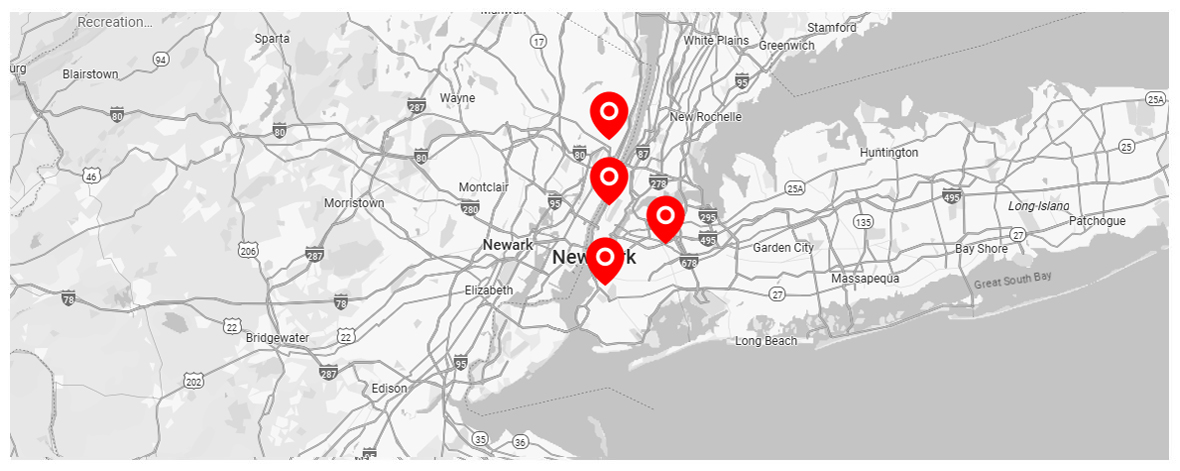
Flexor Tendon Repair in Manhattan, Brooklyn, Queens and Englewood, NJ
A cut on the palm side of your finger, hand or wrist can damage the flexor tendons that let you bend your fingers. If you cannot bend one or more finger joints after a laceration, the tendon may be torn, and timely care with a hand surgeon matters.
We evaluate and treat flexor tendon injuries at our offices on the Upper West Side of Manhattan, in Park Slope, Brooklyn, in Elmhurst, Queens, and in Englewood, NJ, and coordinate the surgery and hand therapy that recovery depends on.
What Is Flexor Tendon Repair?
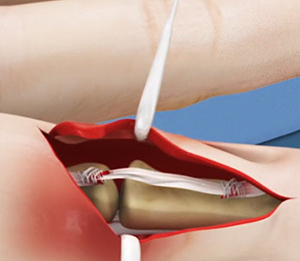
Flexor tendons connect forearm muscles to the bones of the fingers and thumb. When a tendon is cut or ruptured, the ends pull apart and cannot heal back together on their own. Flexor tendon repair is surgery to locate the tendon ends and stitch them together so the finger can bend again.
Hand surgeons describe flexor tendon injuries by zones, based on where the injury occurs. The zone affects how the repair is performed and how recovery is managed.
What Are the Benefits of Flexor Tendon Repair?
- Restored finger bending: reconnecting the tendon allows the muscle to move the finger again
- Improved grip: important for work, sports and daily tasks
- Protection of other structures: nearby nerves and arteries can be assessed and repaired at the same time
Benefits vary depending on the patient, the injury and participation in therapy.
When Is Flexor Tendon Repair Recommended?
- A laceration on the palm side with inability to bend a finger joint
- A closed rupture, such as jersey finger
- Partial tears that weaken the tendon or cause catching
- Associated nerve or artery injuries
Not every partial tendon injury requires surgery. Dr. Patel can evaluate your finger and explain your options.
How Is Flexor Tendon Repair Performed?
Repair is often recommended within days of injury, because tendon ends can retract and scar over time. The procedure is performed in an operating room with anesthesia. The surgeon extends the wound as needed, retrieves the tendon ends and joins them with strong sutures. Injured nerves or arteries may be repaired using microsurgical technique.
What to Expect During Recovery
Recovery is a structured process, usually guided closely by a certified hand therapist. You will wear a protective splint, and a carefully controlled motion program often begins soon after surgery to reduce scarring while protecting the repair. Strengthening is added gradually, and return to full use commonly takes a few months.
What Are the Risks of Flexor Tendon Repair?
- Re-rupture of the repaired tendon
- Adhesions that limit finger motion
- Stiffness of finger joints
- Infection
- Incomplete return of strength
- Need for additional surgery, such as tenolysis
- Nerve-related numbness if a nerve was also injured
Your surgeon can discuss these risks based on your individual injury.
Why Choose Dr. Patel for Flexor Tendon Repair?
Dr. Vipul Patel, MD, FAAOS, completed fellowship training in hand, upper extremity and microvascular surgery at Harvard/Massachusetts General Hospital, with additional microsurgery experience at Columbia University. His practice treats tendon injuries affecting motion and strength.
Flexor Tendon Repair FAQs
How soon should a flexor tendon be repaired?
Earlier repair is generally easier and may lead to better results, because tendon ends retract over time. If you cannot bend a finger after an injury, seek evaluation promptly.
Why is hand therapy so important after tendon repair?
Therapy helps the tendon glide while it heals and protects the repair from too much force. Following the program closely is one of the most important factors in recovery.
Can I use my hand after surgery?
You will need to avoid gripping and lifting with the injured hand for a period. Your surgeon and therapist will tell you when each activity is safe.
Request an Appointment
If you have a hand or finger laceration and trouble bending a finger, seek prompt care. Request an appointment at our Manhattan, Brooklyn, Queens or Englewood, NJ office to discuss your flexor tendon treatment options.