Carpal Tunnel Surgery Recovery Timeline
Reviewed by Dr. Vipul Patel
Carpal Tunnel Surgery Recovery in Manhattan, Brooklyn, Queens and Englewood, NJ

One of the first questions patients ask about carpal tunnel surgery is how long recovery will take. The honest answer is that it varies with the type of release, the severity of nerve compression and the demands of your work and hobbies. Still, most recoveries follow a broadly similar pattern.
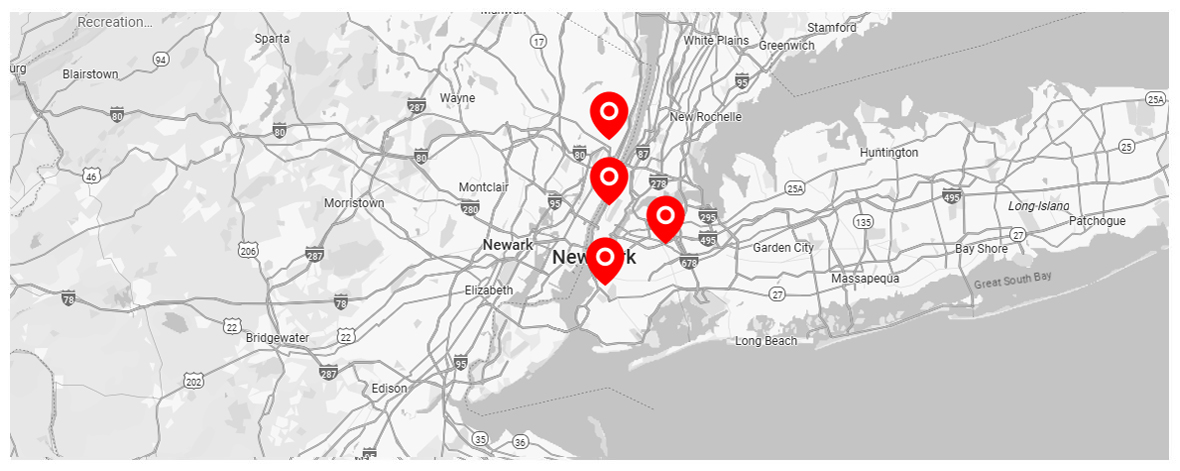
This guide outlines what many patients experience after carpal tunnel release surgery. We care for patients before and after surgery at our offices on the Upper West Side of Manhattan, in Park Slope, Brooklyn, in Elmhurst, Queens, and in Englewood, NJ. Your own surgeon's instructions always come first.
What Affects Carpal Tunnel Surgery Recovery?
- Severity of compression: long-standing or severe compression may take longer to recover, and some numbness may remain
- Surgical approach: open, endoscopic and other techniques can differ in early comfort
- Your job and activities: desk work often resumes sooner than heavy manual labor
- Other conditions: diabetes, arthritis or nerve conditions can affect recovery
- Following instructions: elevation, wound care and exercises all play a role
Recovery in Stages
The First Few Days
Your hand is wrapped in a dressing and kept elevated above heart level. Gentle finger motion is usually encouraged right away to limit stiffness and swelling. Mild soreness is expected. Many patients notice that nighttime tingling improves early.
The First Two Weeks
You can typically use your hand for light tasks such as typing, eating and dressing, while avoiding heavy lifting and forceful gripping. Keep the incision clean and dry. Stitches, if used, are usually checked or removed at a follow-up visit.
Weeks Two to Six
Strength and comfort improve gradually. Tenderness at the base of the palm, called pillar pain, is common during this stage and usually eases over time. Some patients begin hand therapy for scar care and strengthening.
Six Weeks to Several Months
Grip and pinch strength continue to return. Numbness from long-standing compression may keep improving for months, and in severe cases may not fully resolve.
When Can I Drive or Return to Work?
Driving is usually reasonable once you can grip the wheel firmly and are no longer taking medication that causes drowsiness. Return to work depends on your duties, and your surgeon may recommend modified duty for manual jobs.
Signs to Call Your Surgeon
- Increasing redness, warmth or drainage from the incision
- Fever
- Pain that worsens instead of improving
- New or worsening numbness
- Severe swelling or tight dressings
Why Choose Dr. Patel for Carpal Tunnel Care?
Dr. Vipul Patel, MD, FAAOS, is a board-certified orthopedic surgeon focused on nerve compression syndromes of the hand and upper extremity. He trained at Harvard/Massachusetts General Hospital and believes recovery goes best when patients know what to expect at each stage.
Carpal Tunnel Recovery FAQs
How soon can I type after carpal tunnel surgery?
Many patients resume light typing within days, as comfort allows. Take frequent breaks and stop if you notice increasing pain or swelling, and follow your surgeon's specific advice.
Why does my palm still hurt weeks after surgery?
Tenderness at the base of the palm, called pillar pain, is common in the weeks after release. It usually eases gradually, and hand therapy or scar care may help.
Will my numbness go away completely?
Many patients notice meaningful improvement, but recovery depends on how severe and long-standing the compression was. Some numbness may persist, particularly when muscle weakness or wasting was present before surgery.
Do I need physical therapy after surgery?
Not every patient needs formal therapy. Your surgeon may recommend hand therapy if you have stiffness, weakness or scar sensitivity, or if your job places heavy demands on your hands.
Request an Appointment
If you are planning carpal tunnel surgery or have questions about your recovery, request an appointment at our Manhattan, Brooklyn, Queens or Englewood, NJ office to discuss your carpal tunnel care.