Targeted Muscle Reinnervation (TMR) Surgery
Restoring Nerve Function. Reducing Pain. Improving Quality of Life.
At New York Hand Surgery & Orthopedic Surgery, we specialize in advanced reconstructive and nerve procedures. TMR surgery helps patients suffering from chronic neuroma or phantom-limb pain regain comfort, control, and confidence.
What Is Targeted Muscle Reinnervation (TMR)?
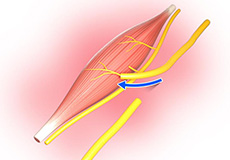
Targeted Muscle Reinnervation (TMR) is an advanced microsurgical procedure that re-routes injured or amputated nerves into nearby motor nerves and healthy muscle targets. By providing the nerve a new "destination," TMR prevents painful neuroma formation and can dramatically reduce phantom-limb pain.
Initially developed to enhance prosthetic control for amputees, TMR is now recognized as a proven treatment for nerve pain and neuromas in both upper and lower extremities.
Targeted Muscle Reinnervation (TMR) Surgery
Advanced Treatment for Neuroma & Phantom Limb Pain
At our practice, we are committed to offering leading-edge surgical solutions for complex nerve and extremity problems. One such service we provide is Targeted Muscle Reinnervation (TMR) — a procedure designed to relieve chronic nerve pain that follows amputation, neuroma formation or traumatic nerve injury.
What Is TMR?
TMR is a specialized surgical treatment in which the surgeon reroutes or reconnects amputated or injured peripheral nerves into nearby functional motor nerves and muscle targets. By doing so, it effectively "closes the circuit" of the nerve pathway and allows the nerve endings to re-engage in healthier tissue rather than forming painful neuromas.
Originally developed to improve prosthetic control in upper-limb amputees, TMR has since shown strong benefit in reducing neuroma pain and phantom-limb pain even when surgery is performed months or years after the original injury. Recent clinical studies demonstrate significantly improved pain outcomes compared to traditional methods.
Who Might Benefit from TMR?
You may be a candidate for TMR if you:
- are experiencing persistent painful neuromas (painful nerve-end formations) after an amputation or nerve injury
- suffer from phantom-limb pain (painful sensations of a limb that is no longer present)
- have had an amputation or nerve injury and face limited options for relief
- are medically stable for surgery and have realistic expectations for recovery
Whether you're considering TMR at the time of amputation (a "pre-emptive" approach) or you've already had symptoms for years, we will work with you to assess if this procedure is right for you.
Why Choose Us?
- Expertise in complex nerve & upper extremity surgery: Our team specializes in advanced reconstructive nerve work, flaps, and microsurgery — you'll be treated by a surgeon who understands the intricacies of nerve trauma and reconstructive options.
- Comprehensive care-pathway: From pre-operative evaluation through rehabilitation and follow-up, we deliver individualized care plans to maximize functional recovery and pain relief.
- Patient-first approach: We prioritize your comfort, recovery, and long-term quality of life — the decision for TMR is made with full transparency, reviewing risks, benefits, and alternatives.
The TMR Procedure – What to Expect
- Consultation & Evaluation: We perform a detailed history and examination, review imaging if needed, and determine nerve involvement, neuroma formation, or phantom pain patterns.
- Surgery: Under appropriate anesthesia, the surgical team identifies the injured or residual nerve, isolates a nearby motor nerve/muscle target, and performs a microsurgical transfer/re-innervation.
- Recovery & Rehabilitation: Following surgery you'll enter a structured recovery plan—this may include pain-management, physical therapy, and nerve-re-education. Most patients begin light activity after a few weeks and more advanced rehabilitation in the ensuing months.
- Follow-Up & Monitoring: Regular follow-up allows us to track nerve re-innervation, assess pain relief, adjust rehabilitation, and support optimal long-term outcomes.
Frequently Asked Questions
Is TMR only for amputees?
No. While TMR is most commonly used after limb amputation, it may also be considered for nerve injuries or neuroma pain without amputation, depending on your anatomy and symptoms.
How long after my injury can I get TMR?
TMR can be effective even years after the original nerve injury or amputation. The key is that the damaged nerve still has viable anatomy and there is an accessible motor target.
What are the risks?
As with any surgery, risks include infection, bleeding, wound healing issues, and potential for incomplete pain relief. We will review these in detail during our consultation.
Will this guarantee no pain?
While TMR has shown excellent outcomes in many patients, individual results vary. Our goal is significant reduction in pain and improvement in function, not necessarily complete elimination of all symptoms.
Next Steps – Let's Talk
If you're dealing with chronic neuroma pain or phantom-limb sensations, we invite you to contact our office for a consultation to evaluate whether TMR is right for you. Our team is here to walk you through the process and answer your questions at every step.
Why TMR Matters
- Reduces or eliminates neuroma and phantom-limb pain
- Prevents new neuroma formation after amputation or injury
- Improves prosthetic control for amputees
- Can be performed during amputation ("primary TMR") or years later ("secondary TMR")
- Supported by growing clinical evidence showing superior pain and function outcomes
Who Benefits from TMR?
You may be a candidate if you have:
- Persistent pain after amputation or nerve injury
- Painful neuromas not improved by conservative care
- Phantom-limb pain interfering with daily life
- A history of multiple nerve procedures without lasting relief
At NY Hand Surgery, we evaluate each case individually to determine if TMR is the right solution for your nerve pain.
How TMR Works – Step by Step
- Evaluation: We assess your nerve injury, pain pattern, and prior surgeries.
- Planning: Using microsurgical mapping, the target motor nerve and recipient muscle are identified.
- Surgery: The injured nerve is carefully transferred to its new muscle target under magnification, allowing it to re-innervate healthy tissue.
- Recovery: Postoperative rehabilitation focuses on healing, strengthening, and pain reduction.
Why Choose NY Hand Surgery for TMR
- Expertise: Dr. Vipul Patel and team specialize in advanced nerve reconstruction, microsurgery, and complex upper extremity care.
- Comprehensive care: Evaluation, surgery, and rehabilitation under one integrated approach.
- Experience with complex cases: We manage patients referred from across NYC for injuries requiring nerve transfers, flaps, and advanced reconstruction.
- Continuity of care: We coordinate closely with prosthetists, therapists, and referring surgeons for optimal recovery.
FAQs About TMR
Is TMR only for amputees?
No. It can be performed for neuromas and chronic nerve pain even in patients without an amputation.
When should it be done?
TMR can be performed at the time of amputation ("primary TMR") or later ("secondary TMR") once symptoms develop.
How long is recovery?
Most patients resume light activity within a few weeks and notice improvement in pain and function within months.
Is TMR covered by insurance?
Yes, most insurance plans recognize TMR as a medically necessary nerve reconstruction procedure. Our office team will help verify coverage and authorization.
Schedule a Consultation
If you suffer from chronic nerve pain, neuroma, or phantom-limb sensations, TMR may be the answer.
Contact our office today to schedule an evaluation and learn how advanced nerve reconstruction can help you reclaim comfort and mobility.
Brooklyn | Queens | New York City